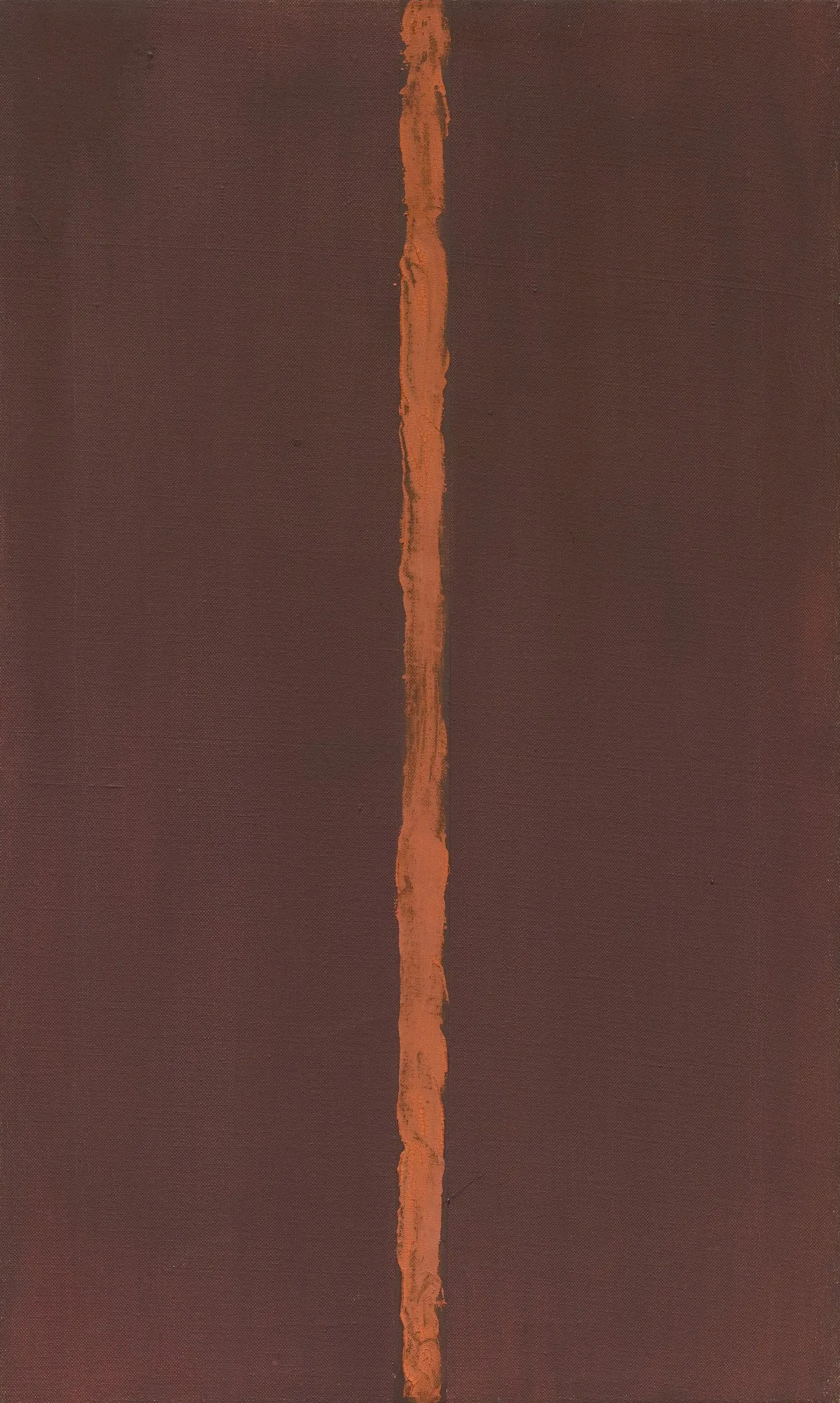
When the time of thought came to a conclusion, and an epoch of imagination commenced, and the child was to paint a new sky, trees, and the sea in the image of his withering walk through ruin.
At dawn, the child recited his hymns when the sun carved itself out the sky. By midday, the scorched grass flattened in testament to the day, and by late afternoon, the breeze from the east woke the leaves nestled on trees bent upon their knees. At sunset, the birds dove into the ground in search of the pilgrim, and at the moon’s ascent, the final hymns were cast into the pond.
A hundred and fifteen columns of pilgrims were ushered into Eremus at the first break of dawn, the plains seared — they were to wait in their separate tracts of land, pitching white tents. They swung their heads, left to right and back all through the evening until the sky opened up for a serein that anointed only a column — an iris made just for their eyes.
Yet, on their return from the plain, the boy, drenched by an earnest voice he heard in his ear, was separated from the column — it lilted through his body, convincing him to leave, that a journey towards the shadows was now to be the direction of his prostration.
The column saw in the boy’s eyes a new reflection, widened pupils — they were not intimate with this difference, so they, too, shunned him to the shadows. Seek forgiveness, he was told, the sins of children shall not poison our home, boy.
But I am forgiven, the boy pleaded — do you not see I have been cleansed by fate itself? Look into my eyes, and you shall see the truth of the matter.
Insolence, you presume this light in your eyes to be truth, madness.
But I do not know where to go or how.
Out, out, onwards! Should we waste bread on this unfortunate boy who brings with him only strangeness?
A relief into the plains shall not suffice, crush his legs, so that he might wither away in the heat and the cold — and that is what the men did.
The boy’s broken legs, splintered skin, and crippled back could carry him just beyond Eremus. The voice in his ear became louder, years, child, years and years, we shall take and give, contract and expand.
They did not seek pleasure at the sight of my prostration, so they crippled my knees, so only they could garner favor from the Master.
And yet, why is it that the clouds all form behind you as you writhe on the barren wasteland and not instead attend to these columns of purity that crushed your spine?
And while they had each other, the spirit did not remain in their house, just as it led you, nay, cast you, out and afar.
But they can be good, yes? Tell me that they can? Answer me, do not whisper. They fractured my knees, and carved open my spine, but perhaps, they did not wish to?
Crawl, child, these questions are from a language unknown to me, crawl.
Sheen your wounds with tears, and perhaps, in time, you may stand tall.
And as it was to be, the boy pushed his broken legs across the scabrous desert, his little hands clawing into dust.
When night approached, by fortune, he saw a tree banked next to a group of boulders piercing out the ground.
He set his head on a smaller rock, a pillowy respite — but sleep would not come to him as the wounds on his knees and spine ached and bled.
Grant me, Master, one more day, for it may yet be that I may stand; a slight breeze from the east picked up, bringing with it a spider that crawled on one of his knees, sat near where the lesions began, spinning a few silky weaves to stitch it close, a ministration that left most of the wound untouched.
And as it had come slipping on a breeze, so it went.